

Triumph or Terminal Point: What This Season Really Means for Arsenal and Arteta
This Arsenal season is not about promise, progress, or potential. Those debates are largely over. It is about consequence. After years of rebuild, refinement and reinforcement, Arsenal have reached the point every elite club eventually faces: outcomes now define reality. Win the Premier League or the Champions League, and Arsenal move decisively into a new competitive tier. Win nothing, and the questions that have been politely deferred will no longer be avoidable — including the biggest one of all, concerning Mikel Arteta. This is not drama. It is simply how elite sport works.
David Hole
2/3/20265 min read
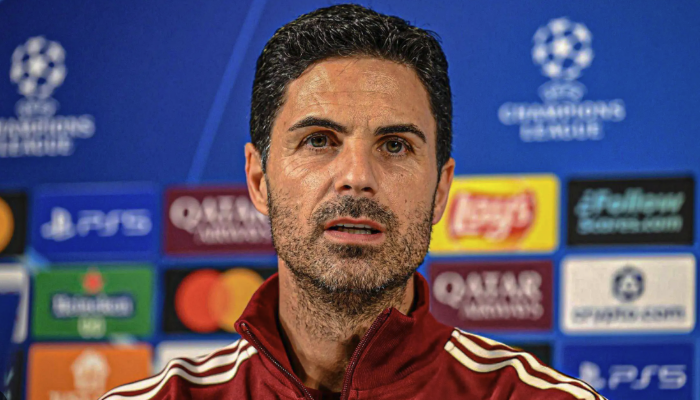
This Arsenal season is not about promise, progress, or potential. Those debates are largely over. It is about consequence.
After years of rebuild, refinement and reinforcement, Arsenal have reached the point every elite club eventually faces: outcomes now define reality. Win the Premier League or the Champions League, and Arsenal move decisively into a new competitive tier. Win nothing, and the questions that have been politely deferred will no longer be avoidable — including the biggest one of all, concerning Mikel Arteta.
This is not drama. It is simply how elite sport works.
From Project to Proof
Winning changes everything because it converts narrative into fact.
For six seasons, Arsenal have asked supporters, players and stakeholders to buy into a vision: control the game, dominate territory, suffocate opponents, and trust that consistency will eventually produce silverware. Much of that vision has been executed impressively. The squad is younger, fitter, more technically secure and more tactically coherent than it was when Arteta arrived.
Yet until a major trophy is lifted, it remains a project — however sophisticated — rather than a proven model.
A Premier League or Champions League win would validate every hard decision taken along the way. The painful exits. The patience with underperformers who were later upgraded. The financial outlay on defenders and midfielders rather than headline forwards. Retrospectively, it would all make sense.
Winning does not just reward the present; it redefines the past.
The Psychological Barrier Arsenal Must Break
There is also a psychological element that statistics and tactics cannot fully capture. Arsenal have been close before. Too close, perhaps.
Repeatedly challenging without sealing the deal leaves residue. Doubt creeps in during decisive moments. Anxiety replaces conviction. Opponents sense it too.
Winning once changes that dynamic entirely. The shift from “can we?” to “we have” is profound. Players begin to expect big moments rather than fear them. Decision-making sharpens under pressure instead of tightening. Margins move in your favour.
History is clear on this point: elite teams often win in clusters, not because they suddenly become better footballers, but because belief becomes institutional.
For Arsenal, that first title in this cycle would be a release as much as a reward.
How the Outside World Would See Arsenal Differently
Success also changes how you are treated.
Referees, whether consciously or not, officiate champions differently. Opponents approach games with more caution, sometimes even resignation. Marginal players consider Arsenal a final destination rather than a stepping stone.
Most importantly, the transfer market opens up.
Top-level players do not join “interesting projects” if a serial winner is available. They join champions. A league or European title would immediately elevate Arsenal’s credibility in negotiations, particularly when competing with the very clubs they are trying to displace.
Winning would not just strengthen the squad — it would widen the pool Arsenal can fish in.
Why the Champions League Would Be Transformational
As monumental as a Premier League title would be, a Champions League win would arguably be even more significant.
Domestically, Arsenal have history, identity and expectation. In Europe, they have legacy weight without legacy substance. A Champions League triumph would permanently alter how the club is positioned in the modern game.
It would announce Arsenal not merely as England’s best, but as one of Europe’s elite operators — adaptable, ruthless and capable across different tactical and officiating environments.
Commercially, the impact would be immense. Institutionally, it would harden standards. Symbolically, it would end a long-running inferiority complex on the continental stage.
That is why the stakes this season feel unusually high. This is not just about winning — it is about what kind of club Arsenal intend to be.
The Other Argument: When Progress Stops Being Enough
Yet there is another view, one that is gaining traction precisely because Arsenal have done so much right.
What if they win nothing?
Arteta is now deep into his tenure. This is not a young squad learning on the job. It is an expensive, mature group assembled almost entirely in the manager’s image. The margins have been narrowed. The excuses have evaporated.
At some point, elite clubs must decide whether continuity is a strength or a shield against accountability.
Six seasons is a long time in modern football. If Arsenal end this campaign empty-handed, the argument that “next year will be different” begins to sound less like patience and more like inertia.
The Cost of Coming Second Again
Near-misses are not neutral outcomes. They take a toll.
Repeatedly finishing just short drains belief from players and supporters alike. It creates a sense that maximum effort is already being expended — that there is no extra gear left to find.
For fans, tolerance diminishes as investment increases. Arsenal now charge elite-level prices for tickets, merchandise and broadcast access. With that comes an expectation of elite-level outcomes.
Supporters do not demand dominance every season. They do, however, demand that when a genuine window opens, the club steps through it.
Failing to do so once may be misfortune. Failing repeatedly becomes a pattern.
The Boardroom Question Nobody Likes Asking
If Arsenal win nothing, the board face an uncomfortable but unavoidable decision.
Is Arteta the man who takes them over the line — or the man who got them close enough for someone else to finish the job?
This is not about sentiment. It is about cold evaluation. The squad is largely complete. The system is ingrained. The financial commitment is significant.
If the output does not match the input, elite institutions reassess leadership. That is not cruelty; it is professionalism.
Continuity only has value if it delivers competitive advantage. Without trophies, continuity risks becoming complacency.
A Squad Built for Now, Not Later
Another reality sharpens the stakes: this squad is not infinitely patient.
Key players are at or approaching peak age. Wage commitments are high. Resale value will soon decline. The idea that Arsenal can simply “roll it forward” indefinitely is not realistic.
Windows do not stay open because you believe in them. They stay open because you exploit them.
If this group does not win together, Arsenal may be forced into another recalibration sooner than planned — and that would inevitably reflect on the manager who assembled it.
Where the Balance of the Argument Falls
So where does this leave Arsenal?
Winning the Premier League or Champions League would elevate the club into sustained elite contention. It would justify faith, strengthen authority and accelerate ambition. Arteta would move from architect to serial contender.
Failing to win anything would not erase the progress made. But it would reframe it. Arteta would no longer be judged as the man rebuilding Arsenal, but as the man entrusted to finish the job — and potentially unable to do so.
That distinction matters.
Conclusion: The Season That Ends the Debate
This season will not be remembered for performances or patterns. It will be remembered for outcomes.
Arsenal are no longer asking to be assessed on trajectory. They are demanding to be judged on delivery. That is a sign of progress — but also of pressure.
Win, and Arsenal step into a future defined by authority, belief and leverage. Lose everything, and the club must confront whether trust has quietly replaced accountability.
Either way, this is the season that stops the debate.
And in elite football, that is when the real decisions begin.